What to know about Haringey Council garden waste rules
If you live in Haringey and your garden seems to produce a never-ending pile of grass cuttings, hedge trimmings and dead leaves, the council's garden waste rules matter more than you might think. Get them wrong and you can end up with missed collections, extra effort, or waste that simply will not be taken away. Get them right, and the whole job becomes calmer, cleaner and much less of a faff.
This guide breaks down What to know about Haringey Council garden waste rules in plain English. We will look at how garden waste is usually handled, what residents should check before putting anything out, the common mistakes that cause problems, and the best practical habits to keep in place all year round. If you want a tidier system at home, and fewer headaches on collection day, you are in the right place.
One small note before we dive in: council processes can change, and collection terms are sometimes updated. So while the principles below are solid, it is always wise to confirm the latest local arrangements before planning a big clear-out. That little check can save a lot of bother.
- Why it matters
- How it works
- Key benefits and practical advantages
- Who this is for and when it makes sense
- Step-by-step guidance
- Expert tips for better results
- Common mistakes to avoid
- Tools, resources and recommendations
- Law, compliance, standards, or best practice
- Options, methods, or comparison table
- Case study or real-world example
- Practical checklist
- Conclusion
- Frequently asked questions
Why What to know about Haringey Council garden waste rules Matters
Garden waste seems harmless enough. It is just organic material, after all. But councils treat it carefully because it affects collection routes, composting streams and the general efficiency of waste services. If you place the wrong material in with green waste, you can contaminate a whole load. That creates more work for everyone, and it can mean the collection is rejected or diverted.
For homeowners, tenants and landlords alike, the rules matter because garden waste is one of those things that quietly builds up. A Saturday pruning session feels productive until you are standing in the cold with three brimming bags and nowhere sensible to put them. Haringey residents often need a practical routine, not just a theory. That is the real point here.
It also matters for your garden itself. When you handle clippings properly, you reduce mess, avoid blocked paths, and make ongoing maintenance easier. A neat process supports a neat garden. Simple, but true.
If your outdoor space is part of a bigger maintenance plan, it can help to think about waste handling alongside other tasks such as hedge cutting, lawn care and seasonal tidy-ups. In that sense, it links neatly with regular upkeep and even broader planning like garden maintenance and lawn care, especially if you are trying to keep a compact garden manageable through the year.
How What to know about Haringey Council garden waste rules Works
At a practical level, garden waste rules usually revolve around three things: what counts as garden waste, how it should be presented, and when or how it is collected. The details can vary, but the underlying logic is consistent. Councils want clean, organic material that can be processed efficiently.
In most local systems, the acceptable items are things like grass cuttings, leaves, weeds, small branches, hedge trimmings and plant material. The things that tend to cause trouble are food waste, soil, rubble, plastic bags, plant pots, treated timber and other non-organic debris. It sounds obvious written down, yet in real life people often mix a few bits together because they are in a hurry. That is where problems start.
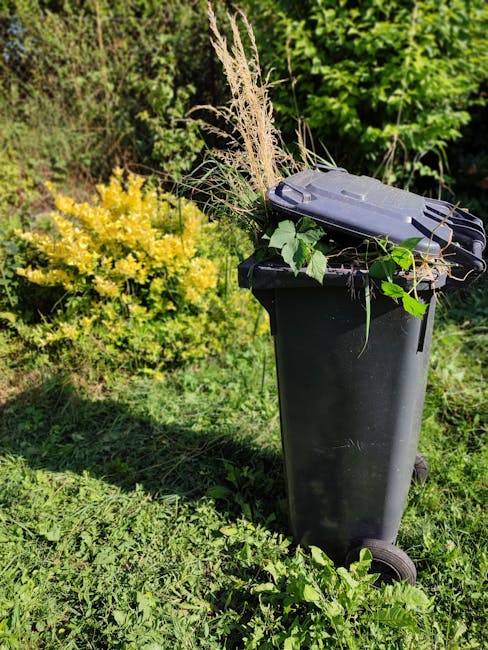
You should also expect some form of container rule. It may involve a council-provided bin, approved sacks, or a specific method for setting waste out. The exact collection method is the part to check locally, because this is where councils often differ the most. If your bin is too heavy, overfilled or contaminated, it can be left behind.
Timing matters too. Garden waste collections are commonly scheduled on set days or as part of an optional subscription service, though the precise setup depends on the council area. If you have recently completed a larger job such as hedge reduction, branch removal or a full garden reset, it is worth planning the waste removal before you start cutting, not after. That sounds basic, but it saves a surprising amount of stress.
For larger outdoor projects, many residents also coordinate waste planning with services such as hedge trimming in Muswell Hill or tree surgery, because cutting back heavy growth can create more green waste than expected.
Key Benefits and Practical Advantages
Following garden waste rules is not just about avoiding trouble. There are some genuine everyday advantages.
- Cleaner kerbside presentation: tidy, correctly prepared waste is easier for crews to collect.
- Less contamination: keeping soil, plastics and garden debris separate helps the whole system.
- More predictable routines: once you know the rules, you stop second-guessing what goes where.
- Better garden hygiene: dead plant matter and cuttings are cleared away before they attract pests or go slimy in a corner.
- Lower risk of missed collections: bins or bags that comply are far less likely to be refused.
There is also a quieter benefit: your outdoor space just feels easier to manage. When waste handling is organised, garden jobs feel lighter. You can mow, prune and tidy without that growing dread of the aftermath. Truth be told, that peace of mind is worth a lot.
For people aiming to build a lower-maintenance routine, it may help to combine waste management with planting choices that do not produce constant heavy debris. Ideas from minimal-maintenance garden ideas can be useful here, especially if you want fewer bagfuls after each session.
Who This Is For and When It Makes Sense
These rules matter for just about anyone with a garden, but some people benefit more than others.
- Homeowners: especially those with lawn areas, borders, hedges or mature shrubs.
- Renters with private gardens: you may be responsible for waste even if you do not own the property.
- Landlords and property managers: communal or shared outdoor spaces can create mixed waste issues quickly.
- People doing seasonal clearances: spring and autumn are classic times for bigger waste volumes.
- Anyone booking external help: if a gardener or tree contractor is involved, waste handling should be discussed early.
It also makes sense if your garden is a small city plot where every bag matters. In compact spaces, you usually have less room to stage waste while waiting for collection day. That is where a simple process becomes really useful. If your outdoor area doubles as a family space, it is even more important to keep pathways clear and materials organised, as explained in garden layouts for little hands and feet.
And if you are the kind of person who looks at a pile of ivy or an overgrown hedge and thinks, "I'll deal with it later", well, later is when the bags multiply. We have all seen that happen.
Step-by-Step Guidance
If you want a practical way to handle garden waste in Haringey, use this approach.
- Sort the waste at source. Separate organic garden material from plastics, compostable-looking packaging, stones and household rubbish before anything goes into a bag or bin.
- Check the accepted container method. Find out whether you need a council bin, specific sacks, or another approved set-out method. Do not assume last year's routine is still valid.
- Reduce bulky material before collection. Cut long branches down to manageable lengths, shake excess soil from roots, and break up large clumps of grass where possible.
- Keep the load light enough to move. A bag that looks compact can be deceptive. If it is awkward for you to lift, it is probably awkward for crews too.
- Set waste out on time. Put it in the correct place the evening before or on the morning of collection, depending on local guidance.
- Remove contamination. If there is any doubt about a material, take it out. One wrong item can spoil the lot.
- Review the outcome. If a collection is missed or rejected, adjust your method next time rather than repeating the same setup.
A useful habit is to keep a small staging area in the garden: one corner for pruning, one for cuttings, one for bags. It does not need to be fancy. Just organised enough that you are not tripping over a half-open bag while carrying a rake. That little bit of order goes a long way.
Expert Tips for Better Results
When people struggle with garden waste rules, it is usually not because they are careless. It is because the workflow is clumsy. The best results often come from small habits.
First, do the messy jobs in stages. If you are trimming hedges, mowing, weeding and cutting back climbers all in one go, the waste pile can become chaotic. Break the work into sections and remove waste as you go.
Second, dry out very wet cuttings before bagging them if you can. Wet grass and soggy leaves are heavier, smellier and more difficult to handle. On a damp London morning, they can become awkward very quickly.
Third, think about composting where appropriate. Not every scrap needs collection. Soft green waste and some leaves may be suitable for home composting, provided you follow accepted composting practice. That reduces volume and can improve your soil later. If you are interested in turning waste into something useful, using garden waste to improve soil is a worthwhile angle.
Fourth, plan around the season. Autumn leaf fall and spring pruning both create spikes in waste. If you know those periods are coming, keep bags, bins or collection arrangements ready in advance. A little foresight saves a lot of shuffling around.
Fifth, treat larger jobs like projects, not chores. If a garden has become seriously overgrown, the waste output can be more than the ordinary council collection route is designed to handle. In those cases, it may be more practical to split the work across sessions or book professional help for the cutting and clearance side. Sometimes that is the sensible option, no drama about it.
Common Mistakes to Avoid
Most waste collection problems come down to a handful of predictable mistakes.
- Mixing in non-garden waste: plastic plant ties, pots, bags, soil clods and small stones are common culprits.
- Overfilling containers: bags that are too heavy or bins that cannot close properly may be left behind.
- Ignoring local set-out rules: different councils may have different collection times, labels or container requirements.
- Leaving waste outside too early: this can make the area untidy and can attract pests or blow around in windy weather.
- Assuming all green material is acceptable: not every natural item belongs in the garden waste stream.
- Forgetting about bulky branches: what looks like a small pile can become too cumbersome once bundled.
The other big mistake is treating waste as an afterthought. It really should be part of the task from the start. If you trim a hedge without a disposal plan, you are halfway to a problem already. Slightly annoying, but fixable.
If your garden is also affected by weeds, ivy or fast-growing climbers, it can help to plan the clearance carefully. Some jobs create more waste than the cutting itself. For example, a dense ivy removal can produce a lot of tangled debris, which is why advice like controlling ivy properly is worth reading before you start ripping and tearing.
Tools, Resources and Recommendations
You do not need a van full of gear to manage garden waste properly. But a few tools make life much easier.
- Robust garden sacks or containers: choose something that is easy to carry and less likely to split.
- Rake and brush: useful for gathering fine material like leaves and grass.
- Pruners and loppers: these help reduce branch size before disposal.
- Tarpaulin or sheet: handy for moving cuttings to one staging point without scattering debris everywhere.
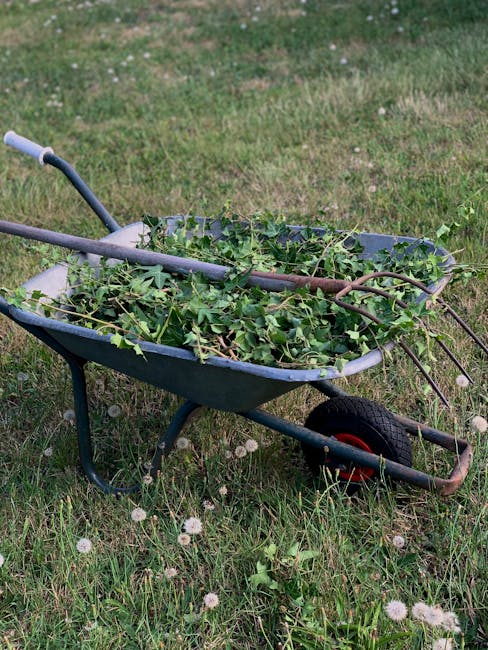
- Wheelbarrow: especially useful if your garden has awkward access or a sloped path.
As for resources, the most reliable starting point is the council's own current guidance. That may sound obvious, but people often rely on memory, neighbours or old printed notes. Not ideal. Also helpful is a regular maintenance routine that keeps waste volumes down in the first place. Preventing a giant end-of-month clear-up is usually easier than dealing with one.
For broader garden upkeep and smarter project planning, you may also want to look at gardening services and pricing and quotes if you are weighing up whether to do the work yourself or bring in help. A bit of comparison never hurts.
If your garden work involves higher-risk tasks like major branch removal or storm-damaged trees, safety becomes part of the waste conversation too. In those cases, read up on insurance and safety and make sure the work is approached properly. The last thing anyone needs is a dodgy ladder and a pile of branches all at once.
Law, Compliance, Standards, or Best Practice
Garden waste handling is not only about convenience. There are compliance and duty-of-care angles as well. In the UK, waste should be managed responsibly, and garden waste should be kept separate from household rubbish whenever possible. Local collection rules sit inside that broader framework.
For residents, the main best practice is straightforward: follow the council's current instructions, keep waste streams clean, and do not put prohibited items in garden waste collections. If you hire someone to carry out garden work, it is sensible to agree in advance who is responsible for the waste and how it will be handled. That avoids crossed wires later.
If you are a landlord, managing agent or anyone responsible for a shared outdoor area, you should be extra careful. Communal gardens can produce mixed waste quickly, and residents may not all understand the same rules. A simple written instruction sheet, or even just a clear household routine, can prevent avoidable issues.
Good practice also means thinking about environmental impact. Composting what can be composted, reducing contamination, and only presenting waste in the approved way are all small actions, but they add up. This is one of those areas where doing the ordinary thing well really does matter.
And yes, sometimes the right compliance choice is the boring one. That is fine. Boring is underrated when it keeps your collections running smoothly.
Options, Methods, or Comparison Table
Depending on the size of your garden and how often you generate waste, you may use one of several practical approaches. Here is a simple comparison.
| Method | Best for | Pros | Trade-offs |
|---|---|---|---|
| Council garden waste collection | Routine household clippings and pruning | Convenient, straightforward, usually low effort once set up | Needs correct presentation and may have specific limits |
| Home composting | Soft green waste, leaves and suitable plant matter | Reduces collection volume and creates useful compost | Not suitable for all waste types and needs space |
| Bagging for later removal | Short-term tidy-up after pruning or seasonal work | Simple and flexible | Can become bulky fast and may still need disposal planning |
| Professional clearance support | Large overgrown gardens or heavy clearance jobs | Saves time and reduces physical strain | Usually the highest cost option |
For many households, the best answer is a blend of methods. Routine mowing might go into one stream, hedge cuttings into another, and compostable matter into a home heap. That mixed approach is often the most realistic. Not perfect, just practical.
Case Study or Real-World Example
Consider a typical Muswell Hill garden after a wet weekend in late October. The lawn has been cut, the borders need tidying, and a small hedge has shed enough material to make three bags look like six. The owner is tempted to cram everything together and set it out in a hurry before Monday.
Instead, they sort the waste into categories: soft clippings, twiggy hedge trimmings, and non-organic bits picked out by hand. The wetter material is left to drain on a sheet for a few hours. A couple of overlong branches are trimmed down so they fit safely. The result is neater, lighter and much easier to manage. The collection goes out correctly, and the garden looks cleaner too.
That kind of outcome is ordinary, but it is exactly why rules matter. Small habits stop small jobs becoming annoying ones. And in a real home, that can be the difference between finishing in an hour and spending the entire afternoon sorting out a mess. Not fun. Ask anyone who has done it on a soggy Sunday.
If a project like that also involves shrubs, hedges or structural planting, it may be worth pairing waste planning with broader garden design decisions such as fast-growing privacy hedges or neat hedge trimming styles, so the garden stays attractive without becoming unmanageable.
Practical Checklist
Before you put out any garden waste, run through this quick checklist.
- Have I checked the latest Haringey collection guidance?
- Is everything in the pile actually garden waste?
- Have I removed plastic, pots, stones and soil clumps?
- Are branches cut down to a manageable size?
- Is the container or bag within a sensible weight?
- Have I set the waste out at the correct time?
- Do I know what to do if the collection is missed?
- Could any of this waste be composted instead?
- Have I planned for stormy or windy weather so the pile will not blow around?
- If the job is large, do I need help from a professional team?
Expert summary: the cleanest approach is usually the simplest one. Keep waste separate, reduce it before collection, and stay on top of the routine rather than leaving everything to build up. That alone solves most headaches.
Get a free quote today and see how much you can save.
Conclusion
Understanding What to know about Haringey Council garden waste rules is mostly about making life easier. Once you know what belongs in the waste stream, how it needs to be presented, and how to stay on the right side of local guidance, the whole process becomes far more manageable. Less confusion. Less mess. Fewer last-minute scrambles.
For most people, the best long-term strategy is a simple routine: sort early, keep the waste clean, and plan around the collection system instead of fighting it. If you are dealing with frequent pruning, seasonal clearances or a garden that just keeps growing back with attitude, a little structure really helps.
And honestly, that is the goal here. A garden should feel like a space you enjoy, not a source of low-level admin. Get the waste side under control, and everything else gets a bit easier too.
When the evening air is still and the garden has that faint green smell after a tidy-up, the work feels worth it. Small, steady jobs. That is usually how a good garden stays good.
Frequently Asked Questions
What counts as garden waste under Haringey Council rules?
Garden waste usually means organic material from routine garden work, such as grass cuttings, leaves, weeds, hedge trimmings and small branches. Items like plastic pots, food waste, rubble and soil are usually treated differently, so it is worth separating them before collection.
Can I put soil in my garden waste bin?
Soil is often handled separately from garden waste, and many council collection systems do not want large amounts of it mixed in. If there is a bit attached to roots, that may be fine in practice, but heavy soil loads can cause problems. Check the current local guidance before including it.
Do I need a special bin for garden waste in Haringey?
That depends on the current council arrangement. Some areas use specific bins or containers, while others use another approved presentation method. The important thing is not to assume. Always check the latest collection instructions before setting waste out.
What happens if I put the wrong items in with garden waste?
Contaminated garden waste may be left uncollected or refused. In some cases, it can interfere with processing and create extra work. Keeping the stream clean is the safest way to avoid a missed collection.
Can I leave garden waste out the night before collection?
Usually, yes only if that fits the local set-out guidance and does not create a nuisance or safety issue. If windy weather is due, it is better to keep materials secure and only place them out when appropriate. A blown-open pile is nobody's idea of a good morning.
Is home composting a good alternative to council collection?
Yes, for suitable materials it can be a very practical option. Soft green waste, leaves and some small trimmings can often be composted at home. It reduces the amount you need to put out for collection and can improve your soil later on.
What should I do with large branches or a big hedge cutback?
Large or bulky waste often needs to be reduced to manageable sizes before collection. If the volume is significant, you may need to split the work into batches or arrange additional help. It is one of those times when a bit of planning saves a lot of lifting.
Are weeds allowed in garden waste collections?
Weeds are commonly accepted as garden waste, but only if they are free from contamination and presented correctly. If they have mixed in with rubbish, roots, or non-organic material, they may no longer be suitable. Keep the pile clean and you are on much safer ground.
Can professional gardeners help with garden waste removal?
Yes, many gardeners can include clearance or disposal planning as part of the job, but the exact service depends on the provider and the arrangement agreed in advance. It is smart to ask about waste handling before work starts, especially for larger jobs.
How can I reduce the amount of garden waste I create?
Choose lower-maintenance plants, prune more regularly instead of leaving everything to overgrow, and compost suitable material where possible. Small, regular tidy-ups produce less waste than one big rescue operation. It sounds obvious, but it really works.
What is the most common mistake people make with garden waste?
The most common mistake is mixing in the wrong material, especially plastic, soil, or other non-garden items. Overfilled containers come a close second. If you keep the waste stream clean and manageable, most problems disappear before they start.
Where can I get help if my garden is too much to handle alone?
If your outdoor space has become overwhelming, it may be worth speaking to a local gardening team about maintenance, clearance or one-off work. For many households, that is the quickest way to reset the garden and get waste under control again.